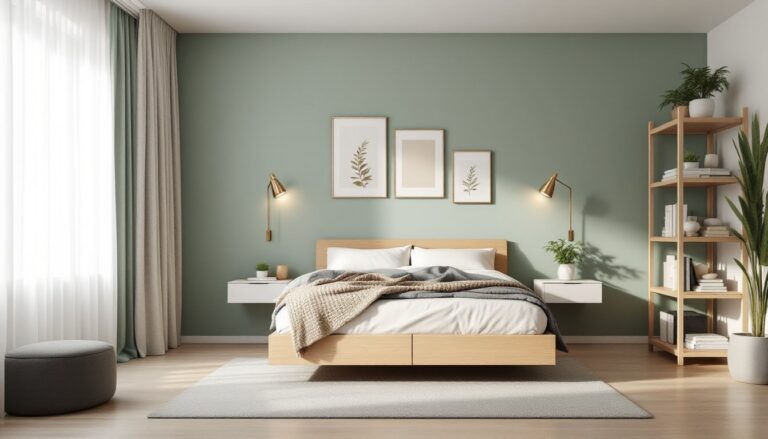
Blank walls don’t just waste space, they miss an opportunity. Vertical wall decor leverages the most underused dimension in a room, drawing the eye upward and making ceilings feel higher than they are. Whether someone’s working with a cramped entryway, a builder-grade living room, or a rental where paint isn’t an option, vertical elements add visual interest without eating up floor space. The trend isn’t new, but the execution has evolved: slat walls, living plant displays, and dimensional paneling now dominate design boards for good reason. They’re practical, relatively affordable, and deliver impact that horizontal arrangements can’t match.
Table of Contents
ToggleKey Takeaways
- Vertical wall decor draws the eye upward, making ceilings appear taller while filling awkward narrow spaces without eating up floor area.
- Popular vertical wall decor options include wood slat walls ($1–$2 per linear foot), 3D panels ($3–$8 per square foot), and living plant displays that range from simple modular planters under $50 to custom systems exceeding $500.
- Successful vertical wall decor installation requires matching materials to wall type (drywall, plaster, concrete, or brick), ensuring adequate lighting, and securing heavy installations to wall studs for stability.
- Living walls maximize plant density indoors while improving air quality, but demand weekly watering, proper humidity control, and honest assessment of light conditions to prevent plant failure.
- Pre-finishing components like painting slats before mounting and waterproofing plant frames prevents messy in-place work and protects drywall from water damage.
What Is Vertical Wall Decor and Why Does It Matter?
Vertical wall decor refers to any design element installed or arranged along a wall’s vertical axis to create upward visual movement. Unlike gallery walls that scatter attention horizontally, vertical decor guides the eye from floor to ceiling, emphasizing height.
This matters for three reasons. First, it makes low ceilings appear taller, an optical trick that works because the human eye follows vertical lines upward before scanning sideways. Second, it fills awkward narrow spaces (think hallways, stairwells, or the wall beside a refrigerator) where traditional art or shelving feels cramped. Third, vertical installations often serve double duty: a slat wall holds hooks and shelves: a living wall improves air quality while looking good.
From a practical standpoint, vertical decor also simplifies installation. Instead of plotting nine different frame placements for a gallery wall, someone mounts a single vertical element, a wood panel, a series of floating shelves stacked vertically, or a tall mirror. Fewer holes in the wall, less measuring, and a cleaner finished look. That’s especially useful in rentals or spaces where residents plan to move within a few years.
Popular Types of Vertical Wall Decor for Every Style
Wall Panels and Slat Designs
Wood slat walls have become the go-to for adding texture without paint. These consist of narrow boards (typically 1×2 or 1×3 nominal lumber, which measures 0.75″ × 1.5″ or 0.75″ × 2.5″ actual) spaced evenly along a vertical plane. The spacing, usually 2″ to 4″ between slats, creates shadow lines that add depth.
Installation involves fastening horizontal furring strips to wall studs, then attaching vertical slats with a brad nailer or construction adhesive. For renters, Command strips rated for 5–10 lbs per strip can hold lightweight slats if the total assembly stays under the rated capacity. Always check the wall surface: textured drywall reduces adhesive grip, and plaster walls may require toggle bolts instead of standard drywall anchors.
Material choices matter. Pine is budget-friendly but dents easily: poplar takes paint well and resists warping: oak or walnut offer richer tones but cost more. If painting, apply primer before installation, it’s easier than cutting around installed slats with a brush. For a modern twist, some DIYers alternate slat widths or use MDF board painted in contrasting colors.
Another option: 3D wall panels made from PVC, gypsum, or plant fiber. These come in pre-made tiles (usually 12″ × 12″ or 24″ × 24″) with geometric or organic patterns. They install with panel adhesive and add dramatic shadow play under lighting. They’re pricier than DIY slats, expect $3–$8 per square foot, but eliminate the need for cutting and spacing.
Vertical Plant Displays and Living Walls
Living walls bring biophilic design indoors, and vertical arrangements maximize plant density without sacrificing floor space. Options range from simple wall-mounted planters to full hydroponic systems.
For a low-commitment start, modular pocket planters made from felt or recycled plastic hang on a single nail or hook. Each pocket holds a 4″ pot, and the assembly cascades downward. These work best with trailing plants like pothos, string of pearls, or spider plants that tolerate indoor light and don’t require deep root space. Water carefully, excess drains through pockets and can stain walls. Place a drip tray at the base or use self-watering inserts.
More ambitious builders might tackle a framed living wall. This involves constructing a shallow box (typically 4–6″ deep) with a waterproof backing, filling it with lightweight potting mix or sphagnum moss, and planting directly into the frame. The frame mounts to wall studs with lag bolts rated for the total weight (soil plus water can exceed 50 lbs for a 2′ × 3′ frame). Some systems incorporate drip irrigation fed by a small pump and reservoir, keeping the root zone moist without manual watering.
Choosing plants requires honesty about light conditions. South-facing walls with direct sun support succulents and herbs: north-facing or interior walls need low-light specialists like philodendron or ferns. Mixing textures, spiky snake plants with soft fittonia, adds visual interest. Be aware that living walls increase humidity, which helps plants but may encourage mold in poorly ventilated bathrooms or basements. Run a dehumidifier if condensation appears on windows or walls.
Vertical wall decor ideas aren’t limited to these two categories. Other popular approaches include stacked floating shelves in staggered heights, vertical mirrors that bounce light upward, or even barn wood planks reclaimed from old fencing and mounted in a vertical grain pattern. The key is choosing a style that complements existing furnishings while serving a functional need, whether that’s storage, greenery, or pure visual interest.
How to Choose the Right Vertical Decor for Your Space
Start by measuring the wall. Height matters more than width for vertical decor, but proportions still count. A 6′ slat wall on an 8′ ceiling feels balanced: the same installation on a 12′ vaulted ceiling looks stunted. For tall walls, consider extending decor from 18–24″ above the floor to within 12″ of the ceiling, leaving breathing room at top and bottom.
Next, assess wall composition. Drywall over wood studs (standard in most post-1950s construction) supports heavy installations if anchors hit studs. Use a stud finder to locate 16″ on-center framing, then mark with painter’s tape. Plaster walls (common in pre-1950s homes) are denser but brittle, use toggle bolts or molly anchors rated for the load. Concrete or brick requires masonry anchors and a hammer drill with a carbide bit. Renters should confirm lease terms before drilling: some landlords prohibit holes larger than 1/8″, which rules out heavy installations without prior approval.
Light and color influence material choice. Dark wood slats absorb light and work best in bright rooms with large windows. In dim spaces, painted slats or light-colored panels reflect ambient light and prevent the wall from feeling like a cave. Living walls need adequate light, 50–100 foot-candles minimum for low-light plants, 200+ for succulents. If natural light is insufficient, add full-spectrum LED grow lights on a timer.
Style coherence matters, but it doesn’t mean everything must match. A mid-century room benefits from clean-lined slats in walnut or teak: a farmhouse interior suits weathered barn wood or shiplap. Contemporary spaces often embrace mixed materials and textures, like combining metal grids with live greenery.
Budget shapes decisions. DIY slat walls using pine 1×2s run roughly $1–$2 per linear foot of material, plus fasteners and finish. Pre-made 3D panels cost more but save labor. Living walls vary wildly: a simple pocket planter setup costs under $50, while a custom hydroponic system can exceed $500. Factor in ongoing costs, soil, fertilizer, replacement plants, if going the living wall route.
Finally, consider maintenance. Slat walls collect dust in the gaps: plan to vacuum with a brush attachment every few weeks. Living walls need weekly watering (or daily checks if using a drip system), plus periodic trimming and plant rotation. If time is tight, stick with low-maintenance options like painted panels or faux plants in wall-mounted pots.
DIY Installation Tips for Vertical Wall Decor
Safety first. Wear safety goggles when cutting or drilling, and use a dust mask if sanding or working with MDF (which releases fine particles). Work gloves prevent splinters when handling rough lumber.
Prep the wall. Fill existing nail holes with spackling compound and sand smooth once dry. Wipe walls with a damp cloth to remove dust, it interferes with adhesive bond. If painting the wall behind the decor, do it before installation. Cutting in around finished slats is tedious and messy.
Measure twice, cut once. Mark the center of the wall with a level and pencil. For slat walls, determine spacing by dividing the wall width by the number of slats plus one (to account for edges). Example: a 96″ wall with 10 slats and 3″ spacing needs slats placed every 9.6″ on center. Use a spacer block cut to the desired gap width, it’s faster and more consistent than measuring each time.
Secure to studs when possible. For installations exceeding 20 lbs, anchor into wall studs. If stud spacing doesn’t align with your design, install a horizontal 1×4 ledger board across multiple studs, then attach vertical elements to the ledger. This distributes weight and prevents sagging.
Choose the right fasteners. For lightweight slats (under 10 lbs total), panel adhesive (like Liquid Nails or Loctite Power Grab) works if the wall is smooth. Apply a continuous bead along the back of each slat and press firmly for 30 seconds. For heavier assemblies, use 2″ finish nails or 18-gauge brad nails into studs. Countersink nail heads slightly below the surface and fill with wood putty before finishing.
Use a laser level for alignment. A $25 laser level projects a plumb line up the wall, ensuring slats stay vertical even if the floor or ceiling isn’t perfectly level (and they rarely are). Alternatively, hang a plumb bob and mark a chalk line.
Pre-finish components. Stain or paint slats before mounting. It’s tempting to install raw wood and finish in place, but drips, uneven coverage, and tedious brush work make that approach frustrating. Lay slats across sawhorses, apply finish, let dry, then install. This also prevents overspray or spills on surrounding decor.
For living walls, waterproof everything. Line the back of plant frames with pond liner or 6-mil plastic sheeting, sealing edges with silicone caulk. Overwatering is common in the first few weeks, and a single leak can ruin drywall. Mount the frame with a 1/2″ gap behind it (using spacers or furring strips) to allow airflow and prevent mold growth.
Install lighting if needed. For 3D panels or slat walls, LED strip lights mounted along the top edge create dramatic uplighting. For living walls, clip-on grow lights with adjustable arms provide targeted illumination without hardwiring. Check the total wattage and ensure circuits aren’t overloaded, most bedroom circuits handle 15 amps (1,800 watts), but adding high-wattage grow lights to a circuit already powering a space heater can trip breakers.
Inspect after 24–48 hours. Adhesives need cure time: avoid bumping or adjusting installations until fully set. For living walls, monitor soil moisture daily for the first week, newly planted roots don’t yet absorb water efficiently, and overwatering is a common mistake. Check that mounting hardware remains tight and adjust as needed before declaring the project complete.
Conclusion
Vertical wall decor turns underutilized wall height into a design asset. Whether someone installs slat panels for texture, builds a living wall for greenery, or hangs modular planters for a quick refresh, the key is matching the installation to the space’s structural limits and lighting conditions. Proper prep, secure mounting, and realistic maintenance expectations make the difference between a project that lasts years and one that sags or dies within months.