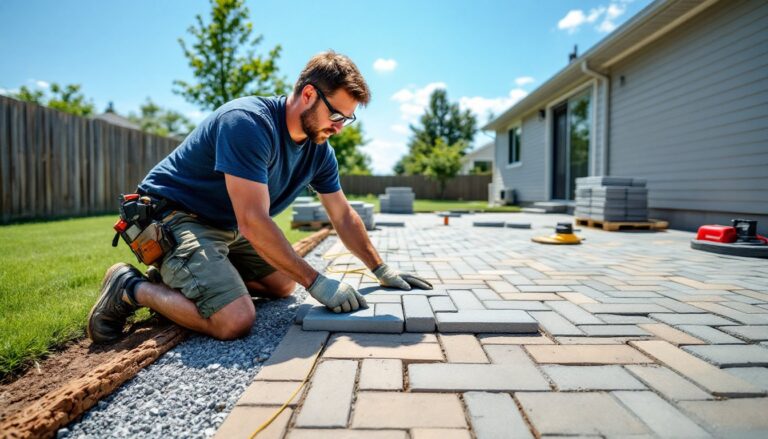
A patio fence does more than mark property lines, it carves out privacy, blocks wind, frames plantings, and turns a bare concrete slab into an outdoor room. The right design balances function with curb appeal, whether someone’s screening a hot tub, softening a view of the neighbor’s shed, or adding vertical interest to a flat yard. With lumber prices stabilizing and composite materials more affordable than ever, 2026 is a solid year to tackle a fence project. This guide walks through proven patio fence ideas, from traditional cedar pickets to modern cable rail, with practical notes on cost, difficulty, and what works where.
Table of Contents
ToggleKey Takeaways
- The right patio fence ideas combine privacy, airflow control, and curb appeal while defining outdoor living spaces without entirely walling them off.
- Wood fencing remains the most budget-friendly option at $1.50–$7 per linear foot depending on material, while composite and metal alternatives offer 20–25 year warranties with minimal maintenance.
- Proper post installation using concrete footings at least 24 inches deep prevents frost heave and settling that can warp your fence within a year.
- Modern patio fence designs range from louvered slats and cable rails that preserve views to living walls with fast-growing evergreens for privacy without a tunnel-like feel.
- Always check local zoning codes (typically 6-foot height limits) and call 811 to mark utilities before starting any patio fence project.
- Budget-friendly DIY options like pallet fences and livestock panel designs deliver professional results for under $50–$100 per section when using salvaged or reclaimed materials.
Why Your Patio Needs the Right Fence
A poorly chosen fence wastes money and square footage. Too solid, and it traps heat or blocks breezes: too open, and it fails to screen sightlines or muffle noise.
The right patio fence serves multiple roles. It defines the outdoor living area without walling it off, provides a backdrop for furniture and planters, and meets local zoning rules, most municipalities cap residential fences at 6 feet without a variance, and setbacks from property lines vary widely. Before buying materials, check local codes and call 811 to mark underground utilities.
Fence height and style also affect microclimates. A solid 6-foot board-on-board fence blocks afternoon sun but can create wind turbulence: a slatted or lattice design filters light and lets air circulate. Consider sun angles, prevailing winds, and adjacent structures when sketching the layout.
Classic Wood Patio Fence Designs
Wood remains the most versatile and budget-friendly fencing material. Pressure-treated pine costs $1.50–$3 per linear foot for materials and resists rot for 15–20 years with basic maintenance. Cedar and redwood run $4–$7 per linear foot but require no chemical treatment and weather to a silver-gray patina.
Popular Wood Styles
Vertical board-on-board: Overlapping boards on alternating sides create full privacy while allowing slight airflow. Use 1×6 nominal boards (actual 3/4″ × 5-1/2″) spaced 1/2″ apart on each face. Fasten to 2×4 horizontal rails with galvanized or stainless screws, nails back out over time.
Horizontal slat fencing: Stacked 1×4 or 1×6 boards spaced 1″–2″ apart give a contemporary look and simplify DIY installation, no need to trim each picket to height. Secure slats to 4×4 posts set 6–8 feet apart in concrete footings at least one-third the post height deep (24″ minimum for a 6-foot fence).
Lattice-top panels: Combine solid lower panels (4–5 feet) with diagonal lattice above. This design meets most privacy codes while letting in light and is popular in garden design for blending structure with greenery.
Maintenance Notes
Seal or stain wood within 30 days of installation to lock out moisture. Reapply every 2–3 years. Untreated cedar and redwood last without finish but check fasteners annually, tannins corrode standard steel screws.
Modern Metal and Composite Fencing Options
Metal and composite materials cost more upfront but nearly eliminate maintenance. Composite boards (wood fiber and polymer) mimic wood grain, won’t splinter, and carry 20–25 year warranties. Expect $8–$15 per linear foot for materials. Brands like Trex and TimberTech offer color-matched screws and post sleeves.
Aluminum picket fencing suits decorative borders and pool enclosures, most codes require 4-foot minimum height and self-closing gates around pools. Powder-coated aluminum resists rust and costs $20–$40 per linear foot installed. It’s lightweight, so posts can be set shallower than wood (18″–20″ in stable soil), but it bends on impact.
Cable rail systems pair stainless-steel cables spaced 3″–4″ apart with wood or metal posts. This style preserves views and works well on hillside patios. Tensioning hardware requires adjustment after installation as cables stretch slightly. Budget $30–$60 per linear foot: kits simplify DIY builds but demand precise post spacing (typically 4 feet on center).
Corrugated metal panels (galvanized or Corten steel) create an industrial aesthetic and block wind effectively. Fasten panels to a 2×4 frame with metal-to-wood screws and neoprene washers. Corten steel develops a rust patina that stabilizes after 6–12 months: seal edges to prevent runoff staining.
Privacy-Focused Patio Fence Solutions
Full privacy requires overlapping boards, tight spacing, or strategic plantings. Solid-board fences (board-on-board, tongue-and-groove, or shadowbox) block 100% of sightlines but can feel tunnel-like on small patios. Add climbing vines (clematis, honeysuckle) or espalier fruit trees to soften the wall effect.
Louvered slat fencing uses angled horizontal boards that block direct views while admitting breeze. Each slat tilts 10–15 degrees: when viewed head-on, gaps disappear. This design requires more labor, each slat mounts on brackets, but delivers privacy without sacrificing airflow. Expect $12–$20 per linear foot for materials.
Living walls combine a simple frame (wire or wood lattice) with fast-growing evergreens like arborvitae or bamboo (clumping varieties only, running bamboo spreads aggressively). Plant on 2–3 foot centers for coverage within two seasons. Pair with drip irrigation: a dying hedge defeats the purpose.
Privacy screen panels (prefab lattice, laser-cut metal, or composite) mount to existing railings or posts. These work well for renters or as temporary solutions. Secure panels with L-brackets and confirm they can handle wind loads, unsecured screens become sails in storms.
Decorative and Open-Style Fence Ideas
Open fencing defines space without enclosure, ideal for front patios, street-facing yards, or spots with views worth preserving. Picket fences (3–4 feet tall, traditionally white but increasingly in natural or stained finishes) suit cottage and farmhouse styles. Space pickets 2–3 inches apart and cap posts with decorative finials.
Split-rail fencing (two or three horizontal rails mortised into round posts) offers a rustic, ranch-style look and costs $3–$8 per linear foot. It won’t contain pets or block views but works beautifully bordering patios adjacent to meadows or wooded areas. No concrete required, drive posts 18–24 inches into tamped soil.
Wrought iron and ornamental aluminum bring formality and pair well with brick or stone patios. True wrought iron requires welding and powder-coating: ornamental aluminum mimics the look at half the cost and one-third the weight. Both styles suit regions with traditional home aesthetics, especially in historic districts with design guidelines.
Horizontal slat screens with integrated planters combine structure and greenery. Build a frame from 2×4 lumber, attach horizontal slats on one side, and bolt planter boxes along the base. Fill with ornamental grasses or trailing annuals. This design works as a standalone room divider on large patios.
Budget-Friendly DIY Patio Fence Projects
Salvaged materials and simplified designs cut costs without sacrificing function. Pallet fences repurpose heat-treated (stamped HT, not chemically treated) shipping pallets. Disassemble pallets, remove nails, sand rough edges, and reassemble boards on a simple frame. Cost: under $50 for a 10-foot section. Seal with exterior stain to prevent weathering.
Bamboo roll fencing staples or zip-ties to a wire or wood frame. Rolls cost $30–$60 for 8 feet × 6 feet and last 3–5 years. This approach suits renters or anyone testing a layout before committing to permanent materials. Drive steel T-posts (farm-supply stores, $6–$10 each) every 6 feet and attach rolls with galvanized wire.
Stock panel fencing uses 4×8 or 4×16 welded-wire livestock panels ($20–$40 each) mounted to wood posts. Paint panels black or leave galvanized for an industrial look. This style appears in modern home design galleries as an affordable cable-rail alternative. Space posts 8 feet on center and bolt panels with carriage bolts and fender washers.
Tool Checklist for DIY Fencing
- Post-hole digger or auger (rent a gas auger for 10+ posts)
- Level (4-foot and torpedo)
- Circular saw or miter saw (miter saw delivers cleaner angle cuts for pickets)
- Drill/driver and spade bit (for pilot holes)
- String line and stakes (layout)
- Safety gear: gloves, eye protection, ear protection if cutting, dust mask for treated lumber
Common Mistakes to Avoid
Skipping concrete footings: Frost heave and settling will tilt posts within a year. Use fast-setting concrete (Quikrete or equivalent) and overfill holes slightly to shed water.
Ignoring wood acclimation: Let lumber sit on stickers (spacers) for 48 hours before cutting. Wet wood shrinks as it dries, opening gaps.
Undersizing posts: Use 4×4 posts minimum for fences up to 6 feet: 6×6 posts for taller or heavy gates. A sagging gate is expensive to fix and usually means undersized framing.
Conclusion
The best patio fence balances privacy, airflow, and aesthetics while respecting local codes and site conditions. Wood offers endless design flexibility: metal and composite deliver low maintenance: DIY approaches stretch budgets without cutting corners. Measure twice, set posts in concrete, and don’t skip the permit check. A well-built fence transforms a patio from a bare slab into a true outdoor room, and adds value that buyers notice.