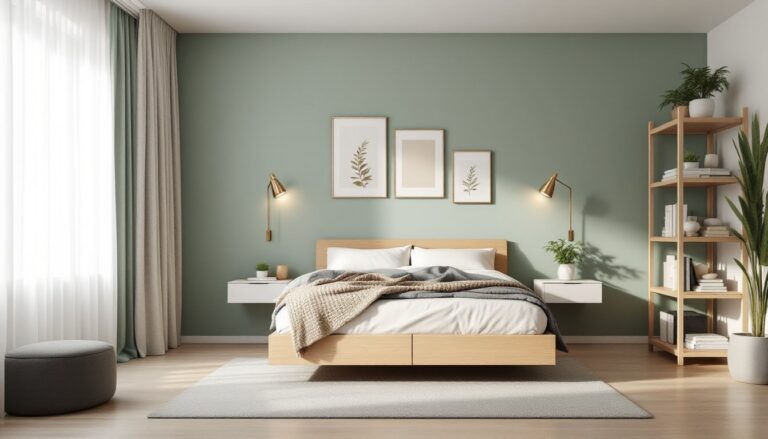
Wallpaper has shed its outdated reputation. It’s no longer stuck in the ’70s with peeling edges and dated florals. Today’s wallpaper options offer durability, design flexibility, and installation methods that beat a bad paint job any day. Whether someone’s tackling a primary bedroom refresh or a kid’s room makeover, modern wallpaper delivers visual impact that paint alone can’t match. Peel-and-stick varieties make removal simple, while traditional paste-the-wall options provide long-term durability. From moody botanicals to geometric patterns, the right wallpaper transforms a bedroom from basic to memorable without major construction.
Table of Contents
ToggleKey Takeaways
- Modern bedroom wallpaper ideas offer durability, pattern flexibility, and installation options that outperform paint, with peel-and-stick varieties costing just $120–$320 for a single accent wall.
- Bold botanical prints, geometric patterns, and metallic accents dominate contemporary bedroom wallpaper trends, while textured neutrals and soft florals provide timeless, serene alternatives.
- Bedroom wallpaper hides wall imperfections, adds texture and dimension in one application, and provides better long-term value than multiple paint colors for homeowners planning to stay long-term.
- Dark moody designs work best in primary bedrooms with natural light, while light colors and vertical stripes make small bedrooms feel larger and more spacious.
- Proper prep work—including wall priming, patching, and smooth surfaces—is critical for successful installation, and samples viewed in different lighting conditions prevent costly color and pattern regrets.
- Choose vinyl for moisture-prone bedrooms, non-woven for cleaner removal, and peel-and-stick for renters, with traditional paste-the-wall options lasting 10–15 years versus 3–5 years for removable types.
Why Wallpaper Is the Ultimate Bedroom Upgrade
Wallpaper solves design problems paint can’t touch. It adds texture, pattern, and dimension in a single application. A bedroom with textured wallpaper creates visual interest without cluttering surfaces with décor.
Cost-effectiveness surprises most DIYers. Mid-range wallpaper runs $30–$80 per roll (covering roughly 28–30 square feet after pattern matching). A typical 12×14-foot bedroom with one accent wall needs 3–4 rolls, totaling $120–$320 in materials. Compare that to multiple paint colors, painter’s tape, and the time spent taping crisp lines for a feature wall.
Installation has evolved. Peel-and-stick wallpaper repositions during application, letting beginners correct mistakes. Traditional prepasted or unpasted wallpaper requires more skill but offers better longevity, 10–15 years with proper installation versus 3–5 years for removable types. Renters benefit from peel-and-stick’s damage-free removal, while homeowners planning to stay long-term get better value from paste-the-wall products.
Wallpaper hides imperfections. Textured or patterned designs camouflage minor wall dings, old nail holes, or slightly uneven drywall that paint would highlight. This makes it ideal for older homes where walls have character (and imperfections to match).
Timeless Bedroom Wallpaper Styles
Bold and Dramatic Wallpaper Ideas
Dark botanical prints dominate 2026 bedroom trends. Deep greens, navy backgrounds, and oversized tropical leaves create a moody, cocooning effect. These work best in bedrooms with ample natural light, otherwise, the space feels cave-like. Pair with brass or matte black fixtures for a balanced look.
Geometric patterns suit modern and mid-century bedroom styles. Hexagons, chevrons, and abstract line work add movement without overwhelming the space. Opt for two-tone geometrics (one neutral, one accent color) to maintain versatility as décor changes. Large-scale geometrics (patterns 12+ inches wide) work in spacious bedrooms, while smaller repeats suit compact rooms.
Metallic wallpapers bring luxury without the price tag of actual metal finishes. Gold, silver, or copper accents catch light and add depth. Bedrooms designed with metallic touches often layer textures, think linen bedding against a shimmering wallpaper backdrop. Avoid full-room metallics: they’re too intense for a sleep space. Stick to one accent wall.
Murals and oversized prints turn a bedroom into a focal point. Forest scenes, abstract art, or city skylines work behind a bed as an instant headboard alternative. These typically come in panels that align during installation. Measure carefully, murals don’t repeat, so miscalculations mean reordering custom pieces.
Subtle and Serene Wallpaper Designs
Textured neutrals mimic materials like grasscloth, linen, or concrete without the cost or installation complexity. These add subtle dimension and work in any bedroom style. They’re ideal for homeowners who want wallpaper’s durability but prefer understated design. Textured wallpapers also hide seams better than flat patterns.
Soft florals in muted palettes bring pattern without chaos. Think watercolor botanicals, delicate line drawings, or vintage-inspired blooms in blush, sage, or gray. These complement farmhouse, cottage, and transitional bedroom styles. Small-scale florals suit cozy bedrooms under 120 square feet: larger florals need space to breathe.
Tone-on-tone patterns offer interest through texture rather than color contrast. Damask, stripes, or subtle geometric designs in matching hues create a sophisticated backdrop. These work particularly well in bedrooms where the furniture or bedding provides the color, letting the wallpaper recede into a supporting role.
Minimalist line art appeals to Scandinavian and modern aesthetics. Simple line drawings, abstract faces, organic shapes, or continuous-line illustrations, on white or off-white backgrounds keep the space airy. These designs pair well with natural wood furniture and uncluttered surfaces.
Accent Wall vs. Full Room Wallpaper
Accent walls reduce cost and commitment. Wallpapering the wall behind the bed creates a headboard effect without furniture. This approach works best in rectangular bedrooms where the bed wall is the natural focal point. Budget 3–5 rolls for a standard 10–12-foot wall, and plan for extra if the pattern repeat exceeds 12 inches.
Safety note: Never wallpaper behind radiators, baseboard heaters, or within 6 inches of electrical outlets without turning off power at the breaker. Moisture from paste or heat from appliances creates hazards.
Full-room wallpaper makes small bedrooms feel larger when using vertical stripes or light colors. Horizontal patterns visually widen narrow rooms. The key is consistent pattern, busy designs on all four walls overwhelm, while subtle textures or small repeats create cohesion. Full-room installations require 10–14 rolls for an average 12×12-foot bedroom (accounting for doors, windows, and pattern matching).
Bedrooms featuring cohesive design elements often use wallpaper as the foundation, then layer coordinating textiles and finishes. This method simplifies decorating decisions, choose wallpaper first, then pull accent colors from the pattern for bedding, curtains, and accessories.
Ceiling wallpaper is an unexpected fifth wall treatment. It works in bedrooms with 9+ foot ceilings and minimal overhead lighting. Light colors or reflective patterns prevent the ceiling from feeling heavy. Skip this in rooms with popcorn ceilings, removal is necessary first, and that’s a separate project involving PPE (N95 masks if pre-1980s texture might contain asbestos).
DIYers should budget 25% extra material for waste, pattern matching, and errors. Complex patterns with large repeats (24+ inches) generate more waste than simple designs. Check the roll label for square footage coverage after match.
Wallpaper Ideas for Different Bedroom Types
Primary bedrooms handle bold choices, it’s a private space where personal taste matters more than resale neutrality. Dark, saturated colors create intimate, hotel-like atmospheres. Many popular bedroom wallpaper selections lean into drama with deep jewel tones or oversized botanicals. Pair bold wallpaper with simple bedding to avoid visual overload.
Guest bedrooms benefit from universally appealing designs. Neutrals, soft patterns, and non-polarizing colors ensure guests feel comfortable regardless of personal taste. Avoid overly trendy designs that date quickly, guests rooms get updated less frequently than primary spaces. Peel-and-stick works well here for easy future changes.
Kids’ bedrooms need durable, changeable wallpaper. Skip character-themed options that kids outgrow in two years. Instead, choose patterns with longevity, stars, geometric shapes, or nature themes that transition from toddler to teen. Peel-and-stick is the clear winner for kids’ rooms. It survives moves, redecorating whims, and marker accidents (wipes clean on most types).
Small bedrooms (under 100 square feet) require strategic wallpaper choices. Light colors expand the space visually. Vertical stripes draw the eye upward, making low ceilings feel taller. Avoid large-scale patterns, they overwhelm compact rooms. Stick to small repeats (under 6 inches) or solid textures.
Bedrooms with architectural quirks, sloped ceilings, alcoves, or odd angles, benefit from wallpaper that camouflages rather than highlights irregularities. Busy patterns distract from imperfect angles, while solid colors emphasize every flaw. Use wallpaper to embrace quirks: highlight a dormer or alcove as an intentional feature rather than hiding it.
How to Choose the Right Wallpaper for Your Bedroom
Material type dictates durability and installation difficulty. Vinyl wallpaper (solid or vinyl-coated) withstands humidity and cleans easily, ideal for bedrooms prone to moisture or those with adjacent bathrooms. Non-woven wallpaper breathes better, resists mold, and removes cleanly (a plus for future updates). Fabric-backed vinyl offers the most durability but requires wallpaper paste and more skill to install.
Peel-and-stick (also called removable or temporary wallpaper) uses a low-tack adhesive. It’s perfect for renters or commitment-phobes but won’t last as long as traditional types. Expect 3–5 years before edges lift or colors fade. Application is DIY-friendly: position, smooth out bubbles with a plastic smoother, trim with a utility knife.
Traditional paste-the-wall or prepasted wallpaper requires more prep. Walls must be primed with an acrylic primer (oil-based for glossy or repaired surfaces). Prepasted paper activates with water: unpasted requires mixed adhesive. Both need a booking period (folding pasted paper onto itself for 5–10 minutes) to prevent bubbles. This method isn’t harder, it’s just less forgiving of mistakes.
Pattern repeat and match type affect material needs and installation complexity. Straight match means patterns align horizontally at the seam, simpler to install. Drop match (or half-drop) offsets the pattern, requiring more precise alignment and generating more waste. Check the repeat distance on the roll label: a 24-inch repeat means cutting and wasting more paper than a 12-inch repeat.
Samples are non-negotiable. Order 8×10-inch swatches and tape them to the bedroom wall. View them at different times of day, morning light, afternoon sun, and evening lamplight all shift how colors and patterns read. A wallpaper that looks perfect in a thumbnail online can overwhelm in person.
Safety and codes: Wallpaper itself doesn’t require permits, but any electrical work done to accommodate it does. If outlets need relocating or adding, hire a licensed electrician or pull a permit if DIYing. Most jurisdictions follow NEC (National Electrical Code) standards. Never wallpaper over outlets or switches, cut precise openings using a utility knife with power off.
Prep work prevents failure. Patch holes with lightweight spackle, sand smooth with 120-grit paper, and wipe walls with a damp cloth to remove dust. Prime walls even if the existing paint seems fine, primer prevents the wallpaper paste from soaking into drywall and creates a uniform surface for adhesion. Skip prep, and the wallpaper won’t stick or will pull off drywall paper when removed.
Tools needed: wallpaper smoother (plastic is fine: felt-edged for delicate papers), sharp utility knife with extra blades, 6-foot level, tape measure, pencil, and a seam roller. For traditional wallpaper, add a paste brush or roller, water tray (for prepasted), and drop cloths. A second pair of hands helps with alignment on long drops.
Avoid textured walls. Wallpaper adheres to smooth surfaces. Orange peel or knockdown texture shows through and prevents proper adhesion. Skim coating (applying a thin layer of joint compound to smooth texture) is a separate project requiring taping knives and sanding, budget a weekend and add $50–$100 in materials for a small bedroom.