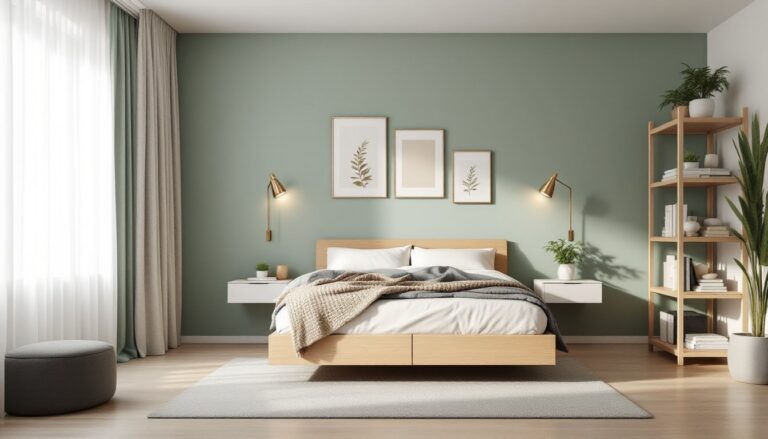
Renting doesn’t mean settling for a cramped, uninspiring bedroom. With smart planning and the right approach, even the smallest apartment bedroom can become a functional, comfortable retreat. The challenge isn’t the square footage, it’s knowing which design moves deliver actual results versus those that just look good in a Pinterest board. Whether dealing with awkward layouts, limited closet space, or multipurpose rooms, practical solutions exist that don’t require tearing down walls or blowing the budget. This guide covers tried-and-tested strategies to maximize storage, manipulate visual space, and create a bedroom that works as hard as it looks good.
Table of Contents
ToggleKey Takeaways
- Smart storage furniture like platform beds with drawers and wall-mounted nightstands maximize function in small apartment bedroom spaces without requiring renovation.
- Cool-toned neutrals and monochromatic color schemes expand perceived room dimensions, while strategic accent walls create depth and focal points without making cramped bedrooms feel smaller.
- Layer your lighting with ambient, task, and accent options using LED bulbs and dimmer switches to add depth, flexibility, and ambiance that single overhead fixtures cannot achieve.
- Textiles such as layered bedding, patterned duvet covers, and properly-positioned area rugs introduce color and texture while remaining renter-friendly and seasonally adaptable.
- Define multipurpose bedroom zones using open shelving dividers, area rugs, or portable furniture on casters to functionally separate sleeping and working areas without permanent walls.
- Install full-length mirrors opposite windows or lamps to multiply light reflection and visually expand your apartment bedroom’s perceived square footage.
Maximize Storage With Smart Furniture Solutions
Storage furniture makes or breaks small bedroom functionality. Platform beds with built-in drawers eliminate the need for separate dressers while utilizing dead space under the mattress. Look for models with four to six full-extension drawers, they hold significantly more than lift-up storage bases and provide easier access to frequently used items.
Wall-mounted nightstands free up floor space and create visual breathing room. Floating shelves with integrated charging stations combine form and function without the footprint of traditional bedside tables. For renters, damage-free mounting systems that distribute weight across French cleats work on most wall types without violating lease agreements.
Vertical storage beats horizontal every time in tight quarters. Floor-to-ceiling wardrobes or open shelving units installed in corners capture unused cubic footage. Many designers working in compact urban apartments prioritize height over width when specifying storage pieces. Install them on non-load-bearing walls with wall anchors rated for 50+ pounds if attaching to drywall, or use toggle bolts for hollow walls.
Ottomans with hidden storage compartments serve triple duty as seating, footrests, and catchalls for extra bedding or seasonal clothing. Choose models with removable lids rather than hinged tops for easier access in tight spaces. A 36-inch storage bench at the foot of the bed holds as much as two standard plastic bins while providing a surface for laying out clothes.
Choose a Color Palette That Expands Your Space
Paint is the fastest, cheapest way to alter perceived room dimensions. Cool-toned neutrals, grays with blue undertones, soft greiges, pale sage, recede visually and make walls appear farther away than warm tones. Stick to flat or matte finishes on walls: they diffuse light rather than creating hot spots that call attention to tight dimensions.
A monochromatic scheme using varying shades of a single color creates seamless visual flow. Paint walls, trim, and ceiling in the same color family but vary the sheen: matte on walls, satin on trim, flat on ceilings. This eliminates stark contrasts that chop up sight lines.
Avoid the trap of painting everything builder-white. True white reads cold and clinical in small spaces with limited natural light. Instead, choose whites with warm gray or cream undertones (look for paint with an LRV, Light Reflectance Value, between 70-85 for optimal brightness without harshness).
Light and Bright Schemes
Off-whites, soft creams, and pale blush tones maximize light reflection without feeling sterile. These warm neutrals pair well with natural wood furniture and prevent the “hospital room” effect of stark white.
For windowless bedrooms or those with northern exposure, warm whites with yellow or peach undertones compensate for lack of natural light. Test samples on all walls at different times of day, artificial lighting drastically shifts how paint reads.
Gloss level matters as much as color. Semi-gloss or satin finishes reflect more light but also highlight wall imperfections common in older apartment buildings. If walls show texture or patching, stick with matte. Eggshell finishes split the difference, offering subtle light bounce with better cleanability than flat paint, important for rentals where you’ll need to touch up before moving out.
Create Depth With Accent Walls
Accent walls work when they’re strategic, not arbitrary. In rectangular bedrooms, painting the short wall behind the bed draws the eye horizontally and visually widens the space. In square rooms, choose the wall with the most interesting architectural feature, a window, built-in shelving, or the headboard wall.
Darker accent colors add depth without shrinking the room if the other three walls stay light. A rich navy, charcoal, or forest green behind the bed creates a focal point while the surrounding pale walls maintain openness. This contrast tricks the eye into perceiving more dimension.
Removing wallpaper or peel-and-stick options offers pattern without paint commitment, crucial for renters. Textured grasscloth or subtle geometric patterns add visual interest. Apply to one wall only: patterns on multiple surfaces overwhelm small spaces. Experts featured in modern design publications often recommend keeping pattern scale proportional to room size, smaller patterns for smaller rooms.
Vertical stripes elongate walls and raise perceived ceiling height. Paint or wallpaper stripes in 4-6 inch widths for maximum impact. Horizontal stripes widen narrow rooms but can make low ceilings feel lower, use cautiously.
Wood accent walls bring warmth and texture. Peel-and-stick wood planks or reclaimed wood panels install without nails or permanent adhesive. Keep wood tones light (whitewashed, natural oak, pale cedar) to prevent visual heaviness. Tongue-and-groove planks in 3-5 inch widths create clean lines: wider planks can overwhelm small-scale rooms.
Layer Lighting for Ambiance and Functionality
Single overhead fixtures create harsh shadows and flatten room dimensions. Three-layer lighting, ambient, task, and accent, adds depth and flexibility without major electrical work.
Ambient lighting provides general illumination. If stuck with a builder-grade ceiling fixture, swap it for a semi-flush mount that sits closer to the ceiling and directs light upward, bouncing it off the ceiling for softer distribution. LED bulbs in 2700-3000K (warm white) temperature prevent the cold, institutional feel of daylight bulbs.
Task lighting handles specific activities, reading, getting dressed, working. Plug-in wall sconces mounted 60-66 inches from the floor beside the bed eliminate nightstand clutter and provide focused light for reading. Swing-arm models adjust for different tasks. Use 7-9 watt LED bulbs (60-watt incandescent equivalent) for adequate reading light.
Accent lighting adds drama and dimension. LED strip lights behind the headboard or under floating shelves create a subtle glow that makes walls recede. Battery-powered puck lights inside open wardrobes or on upper shelves improve functionality in closet-challenged apartments. Install them on 15-30 minute timers to prevent battery drain.
Dimmer switches transform fixed lighting into adaptable systems. Most apartments allow plug-in dimmer modules that don’t require rewiring, essential for renters. Dimming overhead lights to 30-50% in evening hours signals wind-down time and creates ambiance overhead fixtures alone can’t achieve.
Position table or floor lamps in corners to push light into typically dim areas. Torchiere lamps that direct light upward expand vertical space perception. Choose lamps with three-way bulbs (50/100/150-watt equivalent) for adjustable brightness levels.
Add Personality With Textiles and Decor
Textiles introduce color, pattern, and texture without permanent commitment, ideal for rentals. Layered bedding creates luxury without square footage. Start with 300+ thread count cotton sheets (higher thread counts aren’t necessarily better, above 600, weave matters more than count), add a duvet or coverlet, then finish with a textured throw at the foot.
Patterned duvet covers serve as changeable accent pieces. Geometric or abstract patterns feel modern: florals and paisleys lean traditional. Scale pattern to bed size: queen and king beds handle larger-scale prints: full and twin beds look better with smaller, more delicate patterns. Many stylists featured on interior design platforms suggest rotating bedding seasonally, lighter colors and breathable linens in summer, richer tones and heavier textures in winter.
Area rugs define space and add warmth, especially over laminate or tile floors common in apartments. In bedrooms, 5×7 or 8×10 rugs work for most layouts. Position rugs so at least the front legs of the bed rest on it, extending 18-24 inches beyond each side. Low-pile rugs (¼ to ½ inch) work better in small spaces than shag or high-pile options that visually weigh down the room.
Curtains soften hard edges and control light. Mount curtain rods 4-6 inches above the window frame and extend them 3-4 inches beyond each side to make windows appear larger. Floor-length panels create vertical lines that lift ceiling height. Choose light-filtering fabrics for privacy with natural light, or blackout-lined curtains for better sleep quality.
Wall art adds personality without floor space. Create gallery walls using 3-5 pieces in varying sizes rather than one large piece, it adds visual movement. Maintain 2-3 inches between frames for cohesion. Command strips hold frames up to 16 pounds without wall damage, perfect for renters.
Mirrors multiply light and expand perceived space. Full-length mirrors (minimum 48×16 inches) serve functional and decorative purposes. Position mirrors opposite windows to reflect natural light deeper into the room, or across from lamps to amplify artificial light.
Define Zones in Studio and Multipurpose Bedrooms
When bedrooms double as offices, living areas, or workout spaces, physical and visual separation creates functional zones without permanent walls.
Open shelving units (40-72 inches tall) act as room dividers while providing storage on both sides. Ladder-style bookcases maintain sight lines while creating psychological separation between sleeping and working areas. Position dividers perpendicular to walls to carve out distinct zones, parallel placement wastes space.
Folding screens offer portable, damage-free division. Three-panel screens (each panel 18-24 inches wide) fit most bedroom layouts and fold flat for storage. Choose solid panels for privacy or open fretwork to maintain light flow.
Area rugs visually separate zones without physical barriers. Use one rug under the bed and a different style/color under a desk or seating area. The contrast signals different functions without blocking movement or light.
Curtain dividers suspend from ceiling-mounted tracks (choose tracks rated for curtain weight, typically 5-10 pounds). Heavyweight canvas or linen curtains provide sound dampening between zones. For renters, tension rod systems spanning wall to wall install without ceiling hardware but work only for lighter fabrics.
Furniture arrangement defines zones effectively. Position the bed against the longest wall to free up floor space. Create a workspace on the opposite wall using a narrow desk (24-30 inches deep) that doesn’t protrude into the walking path. Maintain 36-inch clearance for movement between zones, anything less feels cramped.
Murphy beds or wall beds transform bedrooms into living spaces during the day. Modern mechanisms operate smoothly and safely (look for piston-lift systems rather than spring-loaded). Measure carefully, most require 90-100 inches of vertical clearance when raised. Not a DIY project for most renters: installation often requires wall reinforcement and may violate lease terms without landlord approval.
Keep multipurpose spaces flexible. Choose mobile furniture on casters, rolling carts, wheeled ottomans, portable desks, that reconfigure as needs change. Avoid built-ins or heavy furniture that locks you into one layout.