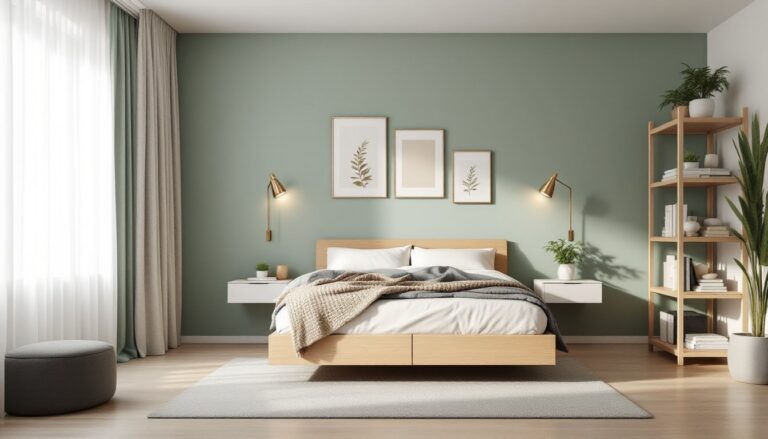
Choosing the right carpet for a bedroom isn’t just about aesthetics, it’s about comfort underfoot, noise reduction, and creating a space that feels finished. Unlike high-traffic areas, bedrooms allow for softer, more luxurious carpet choices without worrying as much about rapid wear. Whether you’re renovating a master suite or updating a kid’s room, carpet offers warmth, sound dampening, and a level of coziness that hard flooring can’t match. This guide walks through practical carpet styles, color strategies, and maintenance considerations to help homeowners make informed decisions that balance comfort with longevity.
Table of Contents
ToggleKey Takeaways
- Bedroom carpet ideas that prioritize plush and saxony styles deliver ultimate comfort for low-traffic spaces, while frieze and textured options offer superior durability and modern appeal.
- Nylon and triexta fibers outperform polyester for stain resistance and longevity, with nylon remaining the gold standard for durability in bedroom carpet selections.
- Neutral-tone bedroom carpet colors provide the best resale value and design flexibility, though darker or multi-tone options effectively hide wear and stains in high-use rooms.
- Quality carpet padding (7/16-inch to 1/2-inch thickness) and professional installation using power stretchers are as critical as carpet quality itself to ensure years of comfort and durability.
- Carpet reduces noise by 25-30 decibels compared to hardwood and provides thermal insulation that improves heating efficiency, making it an ideal bedroom flooring choice.
Why Carpet Remains a Top Choice for Bedrooms
Carpet continues to dominate bedroom flooring for several functional reasons. First, it provides thermal insulation, a critical factor in rooms where people walk barefoot, especially during colder months. A quality carpet pad combined with dense carpet fiber can reduce heat loss through the floor by up to 10%, making heating systems more efficient.
Sound absorption is another major advantage. Carpet reduces impact noise (footsteps, dropped objects) and airborne sound transmission between floors, which matters in multi-story homes or apartments. A bedroom with carpet registers 25-30 decibels quieter than one with hardwood or tile, improving sleep quality and privacy.
From a safety perspective, carpet offers cushioning that reduces injury risk from falls, particularly important in children’s rooms or homes with elderly residents. The soft surface also traps dust and allergens in its fibers rather than allowing them to circulate airborne, which can improve indoor air quality when vacuumed regularly with a HEPA-filter machine.
Finally, carpet installation is straightforward and doesn’t require the subfloor prep that hardwood or tile demands. Most bedrooms can be carpeted in a single day, and the material cost per square foot remains lower than engineered hardwood or quality luxury vinyl plank.
Popular Carpet Styles and Textures for Bedrooms
Plush and Saxony Carpets for Ultimate Comfort
Plush carpet (also called velvet or texture carpet) features densely packed, cut pile fibers with a smooth, uniform surface. The fibers stand upright and create that classic soft, luxurious feel. Plush works best in low-traffic bedrooms where footprints and vacuum tracks won’t be a constant visual issue. Fiber density matters here, look for a face weight of 40-60 ounces per square yard for a carpet that feels substantial without excessive cost.
Saxony carpet is similar to plush but features slightly twisted, longer fibers (typically 1/2 to 3/4 inch pile height). The twist gives the surface a more refined, formal appearance and slightly better resilience than straight plush. Saxony hides footprints better than plush but still shows traffic patterns over time. Both styles are ideal for master bedrooms where comfort outweighs durability concerns.
For either style, choose nylon or triexta fibers over polyester. Nylon offers superior resilience and stain resistance, while triexta (branded as SmartStrand by Mohawk, for example) provides built-in stain protection derived from corn-based polymers. Polyester feels soft initially but mats down faster under foot traffic.
Frieze and Textured Carpets for Modern Appeal
Frieze carpet (pronounced “frizz-ay”) uses tightly twisted fibers that curl at the surface, creating a shaggy, informal look. The high twist level, often 5-7 twists per inch, makes frieze exceptionally durable and excellent at hiding footprints, vacuum marks, and seams. This style suits contemporary or casual bedroom designs and works well in kids’ rooms or guest bedrooms that see varied use.
The informal texture of frieze appeals to homeowners moving away from formal design but who still want carpet’s warmth. When considering design inspiration, many modern bedroom interiors feature frieze in neutral tones paired with minimalist furniture.
Textured carpet sits between plush and frieze. It has moderate twist levels and varied fiber heights that create subtle surface patterns. This versatility makes textured carpet the most popular residential choice, it balances comfort, durability, and ease of maintenance. Textured carpet doesn’t show every footprint but still feels soft underfoot, making it a practical middle ground for primary bedrooms.
Both frieze and textured styles benefit from a quality 8-pound density rebond pad or better. The pad contributes as much to comfort and carpet longevity as the carpet itself. Thicker isn’t always better, a 7/16-inch to 1/2-inch pad works well for most residential installations.
Choosing the Right Carpet Color for Your Bedroom
Color selection affects both aesthetics and practicality. Neutral tones, beiges, grays, soft taupes, remain the safest choice for resale value and design flexibility. They pair with any wall color or furniture style and don’t compete visually with bedding or artwork. A medium-tone neutral (not too light, not too dark) hides soil and wear better than stark white or charcoal.
Lighter carpets (creams, pale grays, soft whites) make small bedrooms feel larger and reflect more natural light. But, they require more frequent cleaning and show stains readily. If you choose a light carpet, prioritize stain-resistant treatments and keep a spot-cleaning kit handy. Light carpets work best in adult-only bedrooms without pets.
Darker carpets (charcoals, deep blues, chocolate browns) hide dirt and stains effectively but can make a room feel smaller or cave-like if natural light is limited. They also show lint, pet hair, and dust more visibly than mid-tones. Dark carpet pairs well with light walls and works beautifully in larger master suites with ample windows.
Patterned or multi-tone carpets (such as berber or carpets with flecked colors) camouflage stains and wear exceptionally well. They’re practical for kids’ rooms, pet owners, or anyone concerned about long-term appearance. The visual texture adds subtle interest without overwhelming a space. Many bedroom design trends incorporate textured, multi-tone carpets as a way to add depth without bold colors.
Consider the room’s natural light when sampling colors. Carpet looks different in morning sun versus evening lamplight. Take home large samples (at least 12×12 inches) and view them in the room at different times of day before committing.
Practical Considerations: Durability and Maintenance
Fiber type determines how carpet performs over years of use. Nylon (especially nylon 6,6) remains the gold standard for durability and stain resistance. It recovers well from compression and resists abrasion better than other synthetics. Expect to pay $3-7 per square foot installed for quality nylon carpet.
Triexta (PTT polyester) offers built-in stain resistance and soft feel at a slightly lower price point than premium nylon. It’s a solid choice for bedrooms, though it doesn’t have nylon’s long-term resilience in high-traffic areas. Polyester costs less but mats down faster and holds oil-based stains. Wool is the luxury option, naturally stain-resistant, durable, and sustainable, but it costs $10-20+ per square foot installed and requires professional cleaning.
Carpet warranties typically cover manufacturing defects, not wear or staining. Read the fine print on stain warranties, most require professional application of stain treatments and regular cleaning to remain valid.
Maintenance basics are straightforward. Vacuum at least weekly with a vacuum that has adjustable height settings and a beater bar (or turn the beater bar off for delicate plush carpets). Change direction each time to lift pile fibers evenly. For inspiration on complete bedroom setups that incorporate easy-care flooring choices, many designers recommend treating carpet like an oversized area rug, protecting high-wear zones near the bed with smaller washable rugs.
Address spills immediately by blotting (never rubbing) with a clean white cloth. Use carpet-specific cleaners rather than household products, which can damage fibers or leave residue that attracts dirt. Schedule professional steam cleaning every 12-18 months to extract deep soil and refresh appearance.
Installation quality matters as much as carpet quality. Hire experienced installers who use power stretchers (not knee kickers alone) to prevent wrinkling and ensure seams are tight and properly placed. Poorly installed carpet will buckle, gap at seams, and wear prematurely regardless of fiber quality.
If the bedroom is on a concrete slab, ensure the installer uses a moisture barrier under the pad. Concrete naturally wicks moisture, which can lead to mold or mildew in carpet. Test concrete moisture levels with a calcium chloride test kit before installation if you’re on a slab.
Conclusion
Selecting bedroom carpet comes down to balancing comfort, style, and maintenance realities. Plush and saxony deliver maximum softness for low-traffic spaces, while frieze and textured styles offer durability without sacrificing feel. Neutral colors provide flexibility, but don’t shy away from darker or multi-tone options if they suit the room’s light and your lifestyle. Prioritize nylon or triexta fibers, invest in quality pad, and don’t skip professional installation. With proper care, a well-chosen bedroom carpet will provide years of comfort and quiet.