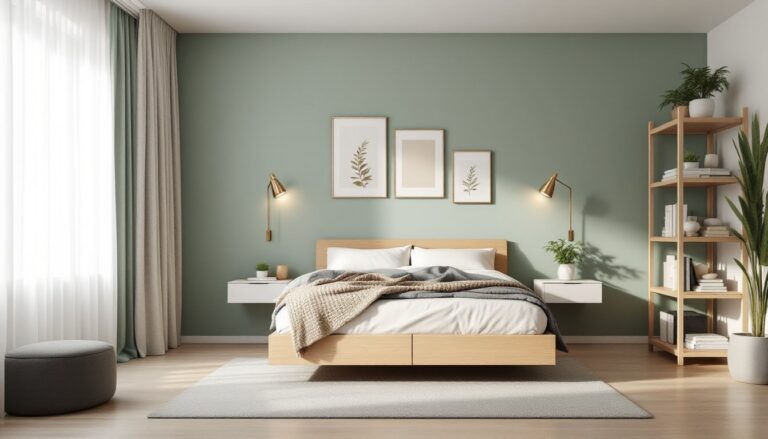
Transforming a little girl’s bedroom into a space she’ll love doesn’t have to mean drowning everything in pink or committing to a theme she’ll outgrow in six months. The best rooms balance personality with practicality, places that inspire play, support sleep, and adapt as she grows. Whether you’re working with a blank canvas or updating an existing room, smart design choices can create a space that’s equal parts functional and enchanting. This guide walks through color strategies, theme options, storage hacks, and DIY touches that turn a basic bedroom into a retreat she’ll actually want to spend time in.
Table of Contents
ToggleKey Takeaways
- Little girl bedroom ideas work best when they balance personality with practicality using neutral foundations and easily swappable decor that grows with her interests.
- Choose paint colors like soft lavender, mint green, or dusty rose instead of bright pink, and use two-tone approaches with neutral bases to allow for easy updates as her tastes evolve.
- Maximize storage with under-bed rolling bins, wall-mounted shelving, and closet organizers at child height to keep toys and clothes organized without overwhelming the space.
- Create dedicated zones with a cozy reading nook near a window and a separate play area with durable flooring and flexible storage to support both quiet time and creative play.
- DIY projects like painted furniture, custom wall art, and fabric canopies add personalization at a fraction of the cost while remaining easy to update later.
- Layer your lighting with ambient ceiling fixtures, task lighting for reading and homework, and accent lights like string lights to create the right mood for play, learning, and sleep.
Choosing the Perfect Color Palette for a Little Girl’s Room
Start by expanding beyond the obvious. Pink works fine if she loves it, but consider soft lavender, mint green, coral, or dusty rose as alternatives that feel fresh without being trendy. Neutral bases, warm white, light gray, or beige, give flexibility to swap accent colors as her tastes evolve.
For walls, use a low-VOC or zero-VOC paint rated for bedrooms. One gallon typically covers 350–400 square feet with two coats, so for a standard 10×12 room with 8-foot ceilings, you’ll need about 1.5 gallons. Eggshell or satin finishes hold up better than flat paint in high-touch areas.
Two-tone approaches work well: paint three walls a neutral shade and one accent wall in a bolder color or patterned wallpaper. Peel-and-stick wallpaper offers a renter-friendly option that’s easy to remove later. Keep ceiling paint a shade lighter than walls to maintain an open feel, especially important in smaller rooms.
Color psychology matters. Blues and greens promote calm, useful near the bed. Warmer tones like peach or butter yellow energize a play corner. Avoid overly saturated, primary colors on large surfaces, they can feel overwhelming and make the room harder to photograph or resell down the line.
Test paint samples on multiple walls before committing. Natural light shifts throughout the day, and what looks perfect at noon can read too cool or too warm by evening.
Creative Theme Ideas That Grow with Your Child
Themes give a room personality, but hard-to-change elements like character murals or princess canopy beds can feel dated fast. Build themes through easily swappable decor, bedding, curtains, wall art, and rugs, so you’re not repainting every two years.
Nature-inspired themes hold up well: botanical prints, woodland creatures, or underwater motifs. Use decals or framed prints instead of hand-painted murals. A gallery wall of her favorite animals or plants can be rearranged as interests shift.
Storybook or literary themes encourage reading without being too literal. A cozy corner with book-themed artwork and a small bookshelf feels timeless. Skip the branded character sheets and opt for patterns, stripes, florals, geometric shapes, that nod to a theme without screaming it.
Many girls’ room modern decor ideas emphasize clean lines and flexible styling. Travel or adventure themes work through maps, a globe, or a world map decal. Let her pin photos or postcards as she explores new interests.
For a vintage or cottage vibe, layer whites and pastels with natural wood furniture. Add vintage-style frames, a ruffled quilt, or antique hooks for hanging bags. This style adapts easily, swap the quilt for a modern duvet, and the whole look shifts.
If she’s into science, space or astronomy themes use dark blue or charcoal walls with glow-in-the-dark star decals. Pair with constellation art and a moon-phase poster. The key: anchor themes with neutral furniture so only the accents need updating.
Smart Storage Solutions to Keep the Room Organized
Storage makes or breaks a kid’s room. Without it, toys and clothes pile up fast. Plan for open bins, closed cabinets, and vertical solutions to handle everything from stuffed animals to art supplies.
Under-bed storage is underused real estate. Rolling bins or drawers on casters (available in 6-inch or 12-inch heights) slide easily and hold off-season clothes, extra bedding, or bulky toys. If building a platform bed, incorporate drawer boxes directly into the frame using 3/4-inch plywood and full-extension drawer slides rated for 75-100 lbs.
Wall-mounted shelving keeps the floor clear. Floating shelves (install into wall studs with appropriate anchors, drywall anchors alone won’t support much weight) display books, trophies, or small decor. Cube organizers with fabric bins give her an easy system: one bin for dolls, one for blocks, one for dress-up. Label bins with pictures if she’s pre-reading age.
Closet organizers maximize hanging space. Install a second rod 36–40 inches from the floor for child-height access. Add shelf dividers to keep folded clothes from toppling. A hanging shoe organizer works great for small toys, hair accessories, or craft supplies.
Built-in window seats with lift-top storage serve double duty. Frame the seat box with 2x4s, attach a piano hinge to a 3/4-inch plywood lid, and add a cushion on top. This is a weekend project for intermediate DIYers, just make sure the lid has a soft-close mechanism or prop to prevent pinched fingers.
Keep storage at her level. High shelves she can’t reach won’t get used. Rotate toys seasonally to reduce clutter, store half in bins elsewhere and swap every few months.
Designing a Cozy Reading Nook or Play Area
Dedicated zones help define activities. A reading nook signals quiet time: a play corner invites creativity.
For a reading nook, pick an underused corner or window alcove. Add a floor cushion or bean bag chair, a small bookshelf, and a clip-on reading lamp. If there’s a window, hang sheer curtains or a tension rod with fabric panels to create a canopy effect. Use a low-pile area rug (5×7 feet works in most corners) to define the space and add warmth on hardwood or laminate floors.
Wall-mounted book ledges (sometimes called picture ledges) display covers forward, making it easier for kids to choose books. Mount them 24–30 inches off the floor. Secure to studs or use heavy-duty anchors rated for at least 20 lbs per bracket.
A play area needs durable flooring and flexible storage. Foam interlocking floor tiles (available in 24×24-inch squares) protect floors and provide cushioning. They’re easy to install and remove, ideal for renters. Set up a small table (18–20 inches high for ages 3–7) with chairs for crafts, puzzles, or tea parties.
Teepees or play tents add a whimsical touch without permanent installation. Look for models with a sturdy wooden or PVC frame. Some DIYers build simple A-frame tents using 1×2 furring strips and canvas drop cloths, just be sure joints are securely fastened and fabric is flame-retardant.
If space allows, hang a swing chair from a ceiling joist. Use a stud finder to locate a joist, drill a pilot hole, and install a heavy-duty screw eye or swing hanger rated for at least 300 lbs. Check local building codes: some jurisdictions have requirements for ceiling-mounted fixtures.
Budget-Friendly DIY Decor Projects for Personalization
DIY decor adds character without the markup. Most of these projects take an afternoon and basic tools.
Painted furniture transforms hand-me-downs. Sand surfaces lightly (120-grit sandpaper), prime with a bonding primer, then apply two coats of latex or chalk paint. Chalk paint needs no primer on most surfaces and dries quickly, though it benefits from a clear wax or polyurethane topcoat for durability. Let each coat dry fully, usually 2–4 hours.
Custom wall art beats generic prints. Stretch a canvas over a wooden frame (buy pre-made stretcher bars at craft stores), let her paint or stamp designs, then hang with picture wire and D-rings. For older kids, try string art: hammer small nails into a wooden board in a pattern (heart, initial, star), then wrap embroidery floss between nails. Wear safety goggles and have an adult handle the hammer.
Fabric canopies over the bed create instant drama. Mount a ceiling hook into a joist, drape sheer fabric or tulle through a wooden or metal hoop (embroidery hoops work for smaller versions), and let it cascade down behind the headboard. Some home decor platforms feature similar canopy setups with step-by-step visual guides.
Name signs or letters personalize the space. Cut letters from 1/2-inch MDF or plywood using a jigsaw, sand edges smooth, prime, and paint. Mount with command strips or small nails. Alternatively, buy unfinished wooden letters and let her decorate with paint, glitter, or decoupage.
Pegboards offer flexible storage. Paint a 4×4-foot pegboard panel to match the room, mount it to the wall with spacers (so hooks have clearance), and use pegs and baskets to hold accessories, art supplies, or jewelry. It’s both functional and decorative, and the layout changes as her needs do.
Lighting Ideas to Create the Right Ambiance
Good lighting layers ambient, task, and accent sources. One overhead fixture isn’t enough, especially in a multi-use room.
Ceiling fixtures provide general light. Flush-mount or semi-flush designs work in standard 8-foot ceilings. For taller ceilings, a pendant or small chandelier adds visual interest. Install a dimmer switch (requires basic electrical work, turn off power at the breaker, confirm with a voltage tester, and follow NEC guidelines). Dimming helps ease the transition to bedtime.
Task lighting covers assignments and reading. A desk lamp with an adjustable arm and LED bulb (800–1100 lumens, 3000K warm white) reduces eye strain. Clip-on lamps attach to shelves or bed frames, useful in tight spaces. For reading nooks, a small floor lamp or wall-mounted swing-arm sconce works well, just make sure it’s wired safely. If running new wiring, hire a licensed electrician unless you’re comfortable with electrical code and have the proper permits.
Accent lighting sets mood. String lights (sometimes called fairy lights) drape along shelves, around windows, or inside canopies. Choose LED versions, they stay cool and are safer near fabric. Battery-operated or plug-in options both work: plug-in avoids battery changes but requires an outlet nearby.
Night lights ease bedtime fears. Plug-in models with motion sensors or timers prevent stumbles during midnight bathroom trips. Some project stars or shapes on the ceiling, fun, but check that they’re not so bright they interfere with sleep.
Consider smart bulbs for older kids. She can adjust color and brightness from a phone or voice assistant, giving her control over her environment. Stick to brands compatible with common platforms (Alexa, Google Home) for easier integration. Always follow manufacturer instructions and check wiring safety standards when upgrading fixtures.
Conclusion
Building a little girl’s bedroom that works long-term comes down to flexibility. Choose neutral foundations, layer in personality through changeable decor, and prioritize storage that grows with her. The best rooms feel personal without being precious, spaces that support play, rest, and everything in between. Keep it practical, keep it safe, and let her have a voice in the design. She’ll take more pride in a room she helped create.