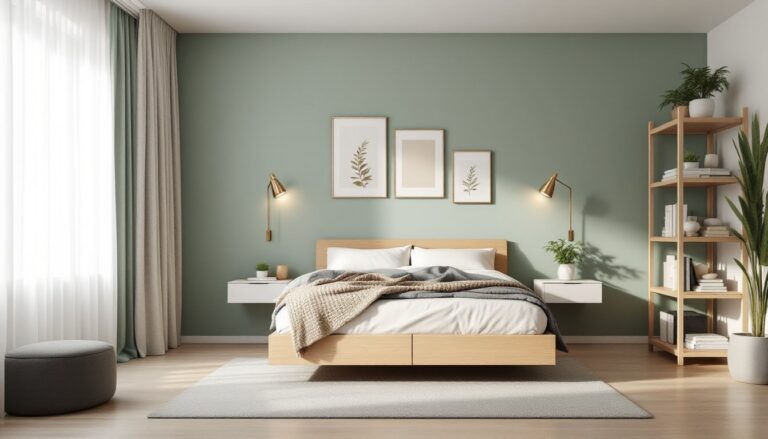
Attics have long been relegated to storage duty, boxes of holiday decorations, old sports equipment, and things homeowners can’t quite let go of. But that dusty overhead space might be the extra bedroom you’ve been needing. Converting a loft into a functional bedroom adds square footage without expanding your home’s footprint, increases property value, and can solve tight living situations for growing families. The challenge? Working with sloped ceilings, limited headroom, ventilation requirements, and structural quirks that standard bedrooms don’t have. This guide walks through design strategies, code considerations, and practical solutions to turn that cramped attic into a comfortable sleeping space.
Table of Contents
ToggleKey Takeaways
- Loft bedroom ideas can increase property value by 10-15% while adding usable living space without the cost of a full home addition.
- Building codes require a minimum 7-foot ceiling height over at least 50% of usable floor space and an egress window for any compliant loft bedroom conversion.
- Low-profile furniture, platform beds with storage, and wall-mounted fixtures maximize space in small lofts by keeping sightlines open and reducing clutter.
- Skylights deliver three times more light per square foot than vertical windows, making them the most effective solution for poor natural light in loft bedrooms.
- Scandinavian minimalism, industrial, and modern rustic design styles work best with sloped ceilings, while ornate styles like Victorian overwhelm tight loft spaces.
- Budget $75-$150 per square foot for basic finishes and $200+ per square foot with custom built-ins, plus ensure permits, HVAC extension, and proper insulation are completed before occupancy.
Why Convert Your Loft Into a Bedroom?
A loft conversion delivers usable living space without the cost and permitting headaches of a full addition. Homeowners typically see a 10-15% increase in property value after adding a conforming bedroom, though exact ROI depends on local market conditions and finish quality.
Beyond resale value, the practical benefits are immediate. Growing families get an extra bedroom without relocating. Remote workers gain separation between living and working zones. Multi-generational households create privacy for aging parents or adult children.
But not every attic qualifies. Building codes require a minimum ceiling height of 7 feet over at least 50% of the usable floor area (per IRC R304.1, though local codes vary). The space must have egress, typically a window with a minimum opening of 5.7 square feet and no dimension less than 20 inches (IRC R310.2.1). Structural floor joists may need reinforcement to handle bedroom live loads of 30-40 pounds per square foot, not just the 10-20 psf typical of attic storage.
If your loft doesn’t meet these minimums, the conversion likely requires engineered plans and permits. Skipping this step can trigger issues during home sales or insurance claims.
Maximizing Space in Small Loft Bedrooms
Lofts rarely offer the luxury of square footage, so every inch counts. Low-profile furniture keeps sightlines open and prevents the space from feeling cramped. Platform beds with integrated drawers eliminate the need for separate dressers. Wall-mounted nightstands and floating shelves free up floor space and simplify cleaning.
Place the bed along the lowest wall where sloped ceilings prevent standing. This positions headroom where it’s needed most, over walkways and dressing areas. Some homeowners tuck beds into dormers or gable ends, creating a cozy nook effect while leaving the center of the room open.
Mirrors amplify natural light and visually expand tight quarters. A full-length mirror on a closet door or leaning against a wall bounces daylight from skylights or gable windows. Light paint colors (whites, soft grays, pale blues) enhance this effect better than dark or saturated tones, which can make low ceilings feel even lower.
Built-In Storage Solutions
Custom built-ins turn awkward under-eave spaces into functional storage. Knee walls, the short vertical walls where sloped ceilings meet the floor, are perfect for shallow cabinets, drawers, or open cubbies. A knee wall height of 3-4 feet provides enough clearance for drawer banks without wasting the dead zone behind sloped rooflines.
Built-in wardrobes with sliding doors save swing clearance and can be sized to fit irregular ceiling angles. Many modern design solutions incorporate hidden storage behind floor-to-ceiling panels, maintaining clean lines while maximizing cubic footage.
For DIYers, building simple frame-and-panel cabinets from ¾-inch plywood with finish-grade veneer offers a cost-effective alternative to custom cabinetry. Pocket-hole joinery and adjustable shelf pins simplify construction without requiring advanced carpentry skills.
Creative Lighting Ideas for Loft Bedrooms
Lofts often suffer from poor natural light, especially in older homes where attics were never intended as living space. Skylights are the most effective solution, delivering three times more light per square foot than vertical windows. Velux and similar brands offer fixed, venting, and solar-powered options, though installation requires cutting roof decking and flashing, a job best left to experienced roofers.
Dormers add both headroom and light but involve structural changes and exterior work that trigger permitting. Gable-end windows are simpler to install if your roofline allows, providing ventilation and egress in one opening.
For artificial lighting, avoid centered ceiling fixtures in sloped-ceiling rooms, they create harsh shadows and emphasize awkward angles. Instead, layer lighting with recessed cans along the ridgeline, wall sconces at mid-height, and task lighting near reading areas. LED recessed lights rated for insulated ceilings (IC-rated) prevent fire hazards when installed in contact with attic insulation.
Rope lighting or LED strips tucked into wall-ceiling junctions create ambient glow without eating into precious headroom. Dimmer switches let occupants adjust brightness for different times of day. Many contemporary designers embrace exposed beam lighting, where track or cable systems follow roof pitch and add visual interest alongside functionality, a technique often featured in small space design galleries.
Design Styles That Work Best in Loft Bedrooms
Scandinavian minimalism suits lofts naturally. Light wood tones, white walls, and simple lines prevent visual clutter in tight quarters. The style’s emphasis on functionality aligns with the built-in storage and efficient layouts lofts require.
Industrial aesthetics embrace exposed beams, ductwork, and raw materials, elements many lofts already have. Leaving roof trusses or collar ties visible adds architectural character while reducing drywall costs. Pair with metal bed frames, Edison bulb fixtures, and neutral palettes.
Cottage or farmhouse styles soften angular spaces with shiplap accent walls, vintage hardware, and cozy textiles. Whitewashed beams and board-and-batten trim play well with sloped ceilings, creating a curated attic feel rather than an awkward afterthought.
Modern rustic combines clean-lined furniture with natural textures, linen bedding, jute rugs, reclaimed wood accents. This approach works especially well in A-frame or cabin-style lofts where the roof structure is a design feature, not a limitation.
Avoid overly ornate styles like traditional Victorian or heavy Mediterranean looks. Elaborate crown molding, thick drapery, and bulky furniture overwhelm small lofts and fight against their architectural reality. Many contemporary interior inspirations showcase how restraint in material choice and color keeps loft bedrooms feeling open rather than cramped.
Working With Sloped Ceilings and Awkward Angles
Sloped ceilings are the defining challenge, and opportunity, of loft bedrooms. Instead of fighting the angles, use them to define zones. Position the bed where ceiling height is lowest (typically along eaves), creating a sleeping alcove that feels intentional. Reserve higher-ceiling areas for dressing, storage, or seating.
Skylights installed along the slope bring in light without requiring vertical wall space. Angled installations also provide stargazing views from bed, a feature not available in standard bedrooms.
When finishing knee walls, resist the urge to ignore the space behind them. Install access panels or small doors so you can use that triangular void for seasonal storage, HVAC equipment, or running electrical and plumbing. Leave insulation and ventilation pathways intact, blocking soffit vents causes moisture buildup and shortens roof life.
Paint or stain exposed rafters and roof decking for a finished look without lowering headroom. If going this route, ensure proper insulation and vapor barriers are installed above the roof deck. Spray foam insulation between rafters provides R-value and air sealing but eliminates ventilation channels, consider raised-heel trusses or baffles to maintain airflow.
For drywall installations on sloped ceilings, use ½-inch or ⅝-inch drywall and screw it directly to rafters at 12 inches on center. Taping angled seams is trickier than flat ceilings: a drywall lift saves labor and back strain on overhead work.
Essential Considerations Before Your Loft Bedroom Conversion
Permits and inspections are non-negotiable for habitable space conversions. Bedrooms require electrical (NEC-compliant outlets and lighting), HVAC (heating and cooling), egress windows, smoke and CO detectors, and structural approval. Expect plan review fees, permit costs, and multiple inspections. Skipping this step can void homeowner’s insurance and complicate future sales.
HVAC access is often overlooked. If your home has forced-air heating, extending ductwork to the loft requires adequate furnace capacity and proper sizing. A bedroom typically needs 350-400 CFM of conditioned air depending on square footage and climate zone. Mini-split heat pumps offer an alternative for lofts where duct runs are impractical, though they add $2,000-$4,000 installed.
Staircase access must meet code for primary bedrooms, typically a minimum width of 36 inches, riser height no greater than 7¾ inches, and tread depth of at least 10 inches (IRC R311.7). Pull-down attic stairs don’t meet egress requirements. If your current access is a ladder or ship’s stair, budget for a code-compliant staircase, which can consume 40-50 square feet of the floor below.
Insulation and ventilation prevent ice dams in winter and heat buildup in summer. Aim for R-38 to R-60 in the roof assembly depending on climate zone. Continuous ridge and soffit vents maintain airflow. Without proper ventilation, condensation forms inside roof cavities, leading to mold and wood rot.
Sound control matters more in lofts than ground-floor bedrooms. Footsteps and voices carry easily through open floor joists. Add batt insulation between floor joists and consider resilient channels or double-layer drywall on the ceiling below to dampen noise transmission.
Budget realistically. A basic loft conversion runs $75-$150 per square foot for DIY-friendly finishes, climbing to $200+ per square foot with custom built-ins, high-end materials, and contracted labor. Get multiple quotes if hiring pros, and set aside a 15-20% contingency for the surprises old houses always deliver.